Nail Strengthening Secrets for Weak and Brittle Nails
Weak nails rarely start out dramatic. Usually, it begins with a corner that catches on a sweater, a thumbnail that peels in thin layers, or a sidewall crack that keeps returning no matter how carefully you file it. Then one day you realize your hands look polished for about twelve hours before something chips, bends, or splits.

I have seen this pattern over and over, especially with people who love a fresh manicure but feel trapped in a cycle of damage control. They bounce between bare nails, a gel manicure, maybe BIAB nails for extra support, then back to nothing when their nails feel thin again. The good news is that most brittle nails can improve, sometimes dramatically, with a few smart changes. Not miracles, not gimmicks, just consistent habits and better decisions about products, removal, moisture, and length.
Strong nails are not always naturally thick nails. Plenty of people with thin nail plates can still grow healthy nails that flex slightly, resist peeling, and hold polish well. The goal is not to turn your nails into little rocks. The goal is resilience.
What weak, brittle nails are really telling you
When nails feel fragile, people often assume they need a harder product. Sometimes that helps, but not always. Brittle nails usually fall into one of two camps.
The first is dry, peeling nails. These tend to split at the free edge and come apart in layers. They often look dull, feel rough, and get worse after frequent hand washing, cleaning products, or acetone exposure. In salon terms, these are the nails that look thirsty.
The second is soft, bendy nails. These may not peel much, but they fold, tear, or break under very little pressure. They can feel flexible right after a shower and flimsy when long. These nails usually need both moisture and structure.
A lot of people have a mix of both. They are dry from overexposure to water and chemicals, but also weakened by over-buffing, picking, aggressive removal, or repeated enhancement changes like Nail extensions one month and Acrylic French tips the next.
If your nails suddenly become far more brittle than usual, especially if the change is dramatic and lasts for months, it is worth paying attention to the bigger picture. Health, medication, frequent wet work, age, and nutrition can all play a part. A manicure routine cannot solve everything. But in everyday cases, the condition of the nail plate often reflects how it has been treated.
The biggest myth, nails need air
Nails do not breathe in the way skin does. What they do need is protection from trauma and dehydration. I often meet people who stop wearing any product at all because they think polish is suffocating their nails. Then they wash dishes, sanitize their hands all day, open cans with their fingertips, and wonder why the peeling gets worse.
Bare nails are not automatically healthier nails. For some people, a well-applied strengthening overlay is exactly what allows the natural nail underneath to recover. A layer of Nail builder gel, BIAB nails, or carefully applied Hard gel nails can act like a shield, especially if the person is rough on their hands or trying to grow out splits.
That said, structure only helps when the application and removal are gentle. A beautiful Gel manicure that is peeled off in the car park does more harm than no manicure at all.
Water is harder on nails than most people realize
This is the part that surprises people. Water sounds harmless, but repeated soaking is rough on the nail plate. Nails absorb water and swell, then shrink as they dry. That constant expansion and contraction can weaken the layers over time. If your nails peel more after laundry, long baths, swimming, or dishwashing, this is probably why.
I once had a client with textbook peeling on both index fingers and thumbs. She assumed it was her polish. It turned out she cleaned her kitchen every night without gloves and soaked labels off jars for crafts on weekends. Once she started wearing gloves for housework and using cuticle oil several times a day, her nails improved within a few weeks.
This is why Cuticle care is not fluff. Oil helps reduce water loss and keeps the nail plate and surrounding skin more supple. It does not create invincible nails, but it makes them less prone to snapping and peeling.
The habits that quietly wreck nail strength
There is rarely one single culprit. It is usually a stack of small habits.
Picking gel or polish is a big one. When someone peels off a Gel manicure, they often remove the top layers of the natural nail with it. The nail can feel thin for weeks after that, and if it happens repeatedly, the damage compounds.
Over-buffing is another common issue. A lot of people chase a perfectly smooth surface before every manicure. The problem is that the shine you are removing is part of your nail. Light prep is one thing. Repeated aggressive buffing is something else entirely.
Using nails as tools causes more damage than people admit. Opening soda cans, scraping labels, popping off battery covers, even unbuckling a car seat with the edge of a thumbnail, these all create stress points that lead to breaks. If you have ever wondered why one or two nails always split in the same place, daily mechanics often explain it.
Frequent enhancement changes can also be rough. Going from Gel extensions to Nail tips, then soaking them off, then switching to Hard gel nails, then removing those for a vacation, asks a lot from the natural nail. Even when each service is done properly, repeated cycles of application and removal can leave the plate tired.
The case for oil, and why consistency matters more than brand names
If I had to choose one non-negotiable habit for Nail strengthening, it would be regular oiling. Not once a week when you remember. Several times a day, especially after washing your hands.
Jojoba-based oils are popular for good reason. They feel light, absorb well, and work nicely around the cuticle area. Thicker oils are fine too if you actually use them. The best oil is the one you will keep near your desk, in your bag, by the sink, and on your bedside table.
Massage it into the cuticle and sidewalls, then drag the residue over the nail plate. This matters for Healthy nails because the surrounding skin influences how the nail grows in, and dry cuticles often lead to hangnails, irritation, and that ragged look people try to fix by picking.
Think of it like lip balm for your nails. A single generous application helps, but frequent small applications do more.
Choosing the right manicure when your nails are weak
This is where judgment comes in. Not every weak nail needs the same solution.

If your nails are short, peeling, and you mostly want protection, a simple Gel manicure or a soft builder overlay may be enough. BIAB nails are popular because they can add structure without the full commitment of long extensions. On the right client, they are excellent for growing out natural nails.
If your nails are naturally very bendy and keep snapping at the stress point, Nail builder gel or Hard gel nails can offer better support. Hard gel tends to be more rigid, which some nails love and others do not. On a flexible natural nail, a product that is too rigid can sometimes crack instead of flexing. This is why matching product to nail type matters more than following trends.
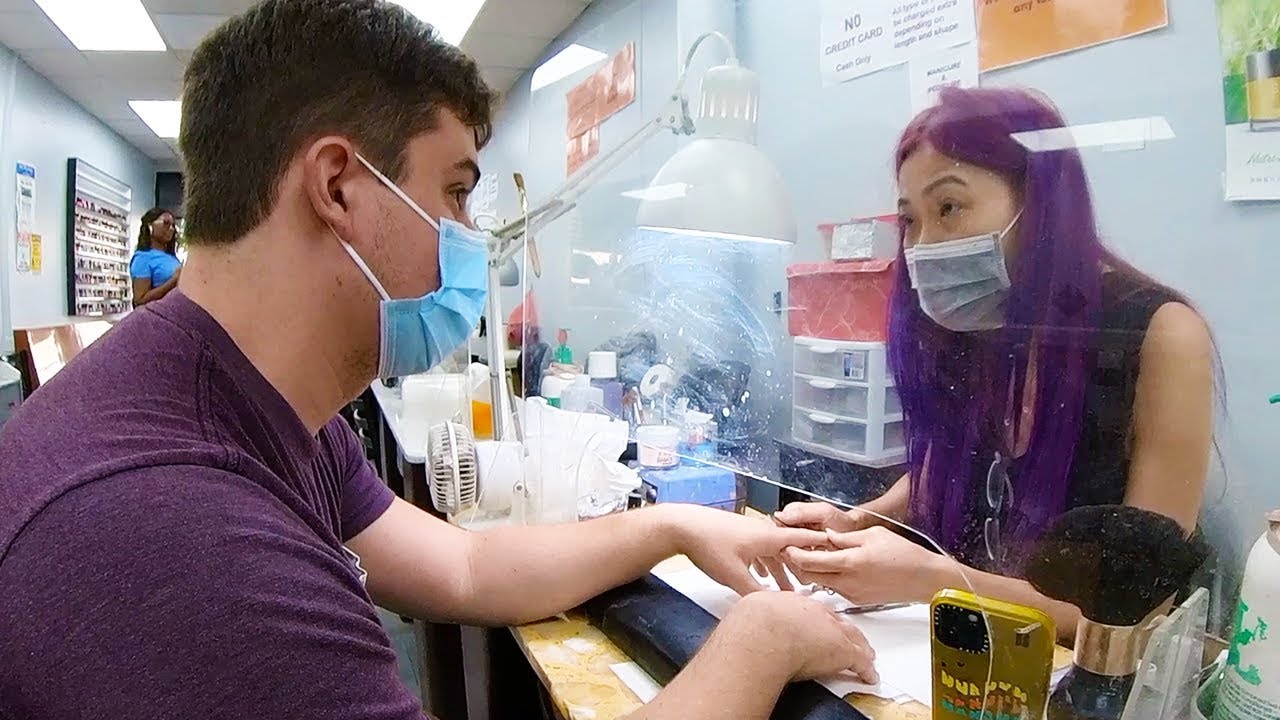
If you already have length issues, Gel extensions or other Nail extensions may make sense, but only if the application is balanced and the length is realistic. Very long enhancements on weak natural nails often become leverage points. The longer the extension, the bigger the force when you bump it.
Nail tips are not inherently bad, but the blending process can be damaging if done carelessly. https://vtnailsspa.com/ A heavy hand with filing at the tip seam can thin the natural nail quickly. Some techs prefer forms for that reason, while others use tips beautifully with minimal filing. Technique matters more than category.
For someone recovering from damage, I usually prefer a short to medium structured overlay first. It gives protection without adding too much leverage. Once the natural nail improves, there is more room to experiment.
When pretty trends help, and when they hide trouble
Decorative styles can actually support a strengthening phase if they encourage you to keep a protective coating on your nails and leave the enhancement alone. A neutral Soap nails or Clean girl nails look is great for this because regrowth is less obvious and clients are less tempted to pick.
Styles like Micro French nails, Gel French tips, Reverse French manicure, and Half-moon nails also work well on shorter lengths. They look deliberate, elegant, and polished without forcing you into long, fragile nails. If you love Negative space nails, they can be a smart choice too, especially while growing out old damage, because the design can work with visible natural nail rather than fighting it.
Some clients feel more motivated to care for their nails when the manicure feels exciting. There is nothing wrong with that. Chrome French tips, Glazed donut nails, Pearl nails, or Metallic nails can make a strengthening phase feel less like a restriction and more like a style choice. Velvet nails and Magnetic nails look especially good on short, healthy shapes because the light effect does the heavy lifting.
Just remember that highly textured looks such as 3D gel nails, Nail charms, Nail gems, and some heavy Kawaii nails can add weight and create snag points. They are fun, but if your nails are already vulnerable, save the chunkier embellishments for stronger days or shorter wear.
The safest way to remove product
Poor removal undoes weeks of progress. This is the part where many nails get shredded.
If you have a soak-off product, it should be filed down first, then soaked just long enough to loosen, not scraped off aggressively. If you have a structured builder or hard gel overlay, much of it is often best professionally reduced rather than fully removed. Many nail professionals prefer to leave a very thin protective layer instead of taking the natural nail back to bare every time.
A good rule is simple: if removal hurts, heats up dramatically, or leaves your nails looking chalky and paper-thin, something in the process is too harsh.
Here is the short version I give people who are trying to break the damage cycle:
- Never peel off gel, builder, or extensions.
- File length down before soaking or booking removal.
- Ask for gentle prep, minimal buffing, and no aggressive scraping.
- If your nails are damaged, reapply a protective overlay instead of going fully bare.
- Pause long, high-leverage shapes until your natural nails recover.
Those five changes alone can make a bigger difference than most “miracle” strengtheners.
What nail strengtheners can and cannot do
A lot of strengthening products are really temporary reinforcements. They create a harder film on top of the nail, which can reduce bending and help polish last longer. That can be useful. The problem comes when people expect a bottle of treatment to reverse mechanical damage overnight.
Some strengtheners work well for soft nails but can make already brittle nails more likely to snap because the nail becomes hard without enough flexibility. If your nails feel like dry twigs, more hardness is not always the answer. In that case, you may need moisture, shorter length, and a flexible overlay rather than a rigid treatment.
I generally look at these products as tools, not cures. Use them with a plan. If your nails are splitting, cut them back to a manageable length, oil them consistently, protect them from water, and use a treatment or overlay that suits your nail type. That combination works far better than a single product used sporadically.
Filing, shaping, and why edge control matters
The free edge tells you a lot about future breakage. If it is ragged or uneven, peeling tends to start there.
A fine-grit file is your friend. File in a controlled way, keep the shape balanced, and pay attention to the sidewalls. I know the old advice about filing only in one direction gets repeated a lot, but with a quality fine file and a gentle hand, a small see-saw motion is usually not the disaster people fear. What matters more is avoiding coarse grit and heavy pressure.
Shape also affects strength. Very square corners catch more easily on weak nails. A soft squoval, oval, or short almond often wears better during a repair phase. The prettiest shape is the one that survives your real life.
This is one reason Minimal nail designs and Elegant nail designs pair so well with nail rehab. A neat short oval with a sheer pink, Jelly nails effect, or subtle Glass nails shine can look expensive and intentional, even while you are keeping length conservative.
Lifestyle matters more than trend cycles
People love to ask whether Korean nail art, Japanese nail art, Y2K nails, Barbie nails, Coquette nails, Goth nails, Boho nails, or Luxury nails are “bad” for your nails. The honest answer is that the art style itself is rarely the problem. The issue is how the manicure is built, how long it is worn, and how it is removed.
Someone can wear Cute nail designs with Nail stickers, Nail decals, Nail stamping, and a short builder overlay for months without damage, provided the prep and removal are gentle. Someone else can ruin their nails in one afternoon by ripping off a set of Gel extensions.
Your day-to-day life matters just as much as your aesthetic. If you type all day, work in healthcare, lift weights, handle boxes, or wash your hands constantly, your ideal nail plan will look different from someone whose hands stay relatively dry and protected. Matching manicure ideas to lifestyle is one of the least glamorous and most effective secrets in nail care.
A realistic home routine that actually helps
You do not need a 12-step ritual. You need a few habits that happen often enough to matter.
Morning oil, hand cream after washing, gloves for cleaning, a quick check of the free edge every few days, and timely removal or fill appointments will carry you far. If you like DIY nail art, keep it light while your nails recover. Short-wear designs, easy nail designs, sheer shades, and simple Nail polish ideas are kinder than constantly changing elaborate looks with strong removers.
If you do your own nails, be especially careful with curing and removal. Under-cured gel can cause problems, but over-filing in preparation is often the more immediate cause of weakness. A home manicure should feel controlled, not rushed. The best DIY sets I see are usually the simple ones.
This is a good place for a quick reality check on what helps most:
- Cuticle oil used several times daily
- Gloves for dishwashing and cleaning
- Shorter length while damage grows out
- Gentle product removal
- Structured support if your nails bend or peel easily
Notice what is not on that list: endless buffing, frequent naked resets, and chasing every viral manicure trend back to back.
How long it takes to see stronger nails
This is where patience earns its keep. Fingernails grow slowly, often around a few millimeters per month, though it varies. If the damage is at the free edge, you might see meaningful improvement within a couple of weeks just by changing habits. If the thinning or peeling sits farther back on the nail plate, it can take months to fully grow out.
That timeline frustrates people, especially when they want instant transformation for an event. I get it. But nails are honest. They show consistency over time. A well-maintained overlay, regular oiling, and less trauma for eight to twelve weeks can produce a very different hand than the same person had at week one.
Progress is not always linear either. One bad removal or one week of heavy cleaning can set things back. That does not mean the whole approach failed. It just means nails respond to what you repeatedly do.
The signs your plan is working
Stronger nails do not always look dramatically thicker. Instead, you tend to notice smaller victories. The free edge feels smoother. Peeling happens less often. Side cracks stop reappearing in the same spot. Polish lasts longer. The cuticle area looks neater. Natural shine starts to return.
At that stage, you can gradually expand your options. Maybe you move from sheer Soap nails to Chrome French tips. Maybe you try Iridescent nails for a holiday, or a short set of Holographic nails, or even a tasteful return to Acrylic French tips if that is your preference and you trust the application. The difference is that you are choosing from a place of strength, not using enhancements to disguise chronic damage.
Healthy nails are not about never wearing product. They are about wearing product wisely.
The quiet secret most people miss
Nail strengthening is not one secret. It is a stack. Moisture, protection, smart length, careful removal, and choosing enhancements that work with your natural nail instead of fighting it. When those pieces line up, even nails that have been weak for years can become noticeably more reliable.
And once they do, the fun part gets better too. Manicure ideas last longer. Nail polish ideas feel less like a gamble. Cute nail designs, luxury finishes, and even trend-driven looks become easier to enjoy because you are not constantly patching breaks.
The strongest nails I see are rarely the ones with the most products on them. They are the ones cared for with the most consistency.